
The Father and Son of Ireland
Angela's AshesThis flow examines how nationalist stories connect father and son, then lose authority as material experience contradicts them.
increasing Bearing strength in each event
 decreasing
Bearing strength in each eventdecreasingThe Sons as Soldiers
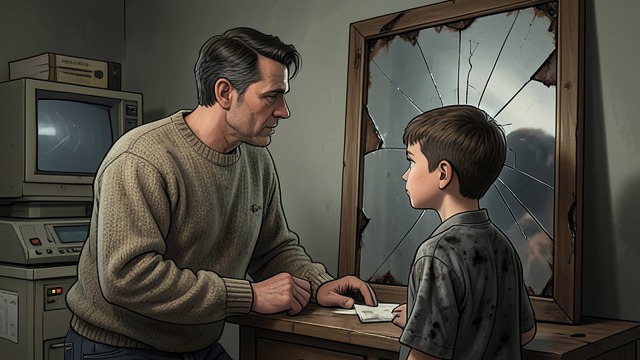
The Sons as Soldiers
A repeated demand
The father wakes his sons to sing rebel songs and promise to die for Ireland. Frank McCourt first experiences the ritual as excitement, then notices the hunger and distress around it.
Patriotism against provision
The father's rhetoric cannot feed the children. The gap between sacrifice in song and responsibility at home begins the conflict between national ideals and family need.
The New Ireland
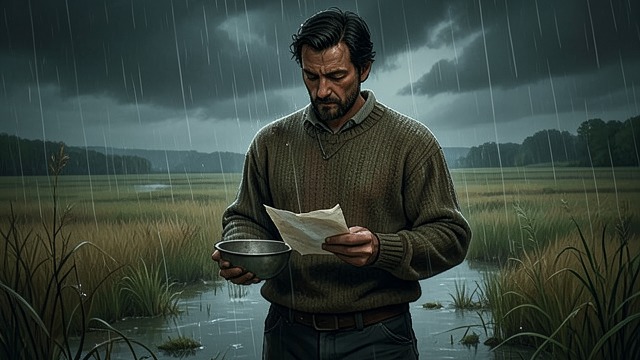
The New Ireland
An appeal rejected
The father asks the Irish Republican Army for help based on his earlier service. The official's refusal turns his patriotic claim into a confrontation with the state.
Ideals meet hunger
Frank McCourt hears his father criticize the new Ireland, but the family still has no food or shelter. Political independence has not delivered security to the poor.
Songs as Family Discipline
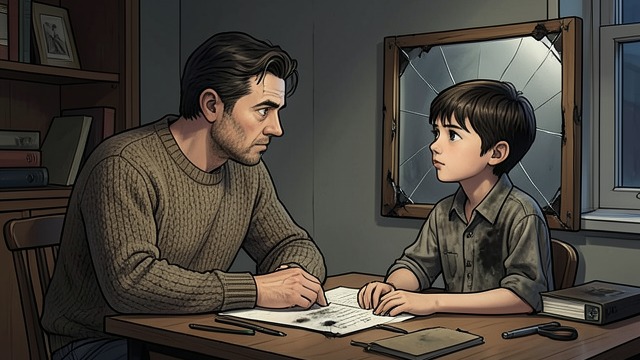
Songs as Family Discipline
Grief redirected
The father uses Irish songs to express bereavement and to command the boys' attention. The children comply, although they cannot understand how singing answers their loss.
A confused inheritance
Frank McCourt grows up associating patriotic music with both love and neglect. The songs carry cultural memory while also exposing the father's inability to comfort his family directly.
A More Complicated History
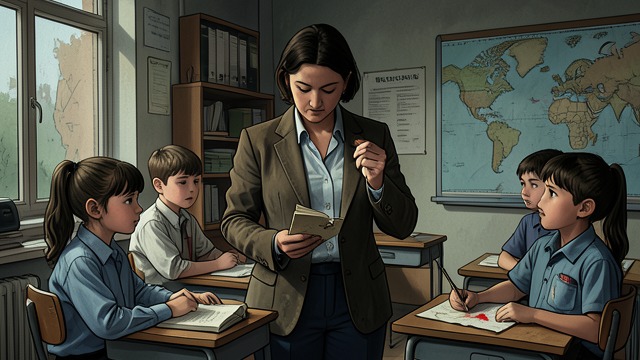
A More Complicated History
A teacher revises the story
Thomas L. O’Halloran tells his pupils that Irish forces also committed atrocities at Kinsale. This challenges the simplified history Frank has heard from other teachers.
Judgment becomes possible
The lesson asks students to learn before making up their minds. Frank encounters a form of patriotism that can acknowledge wrongdoing without abandoning Irish identity.
Leaving the Patriotic Lane
Leaving the Patriotic Lane
Songs accompany departure
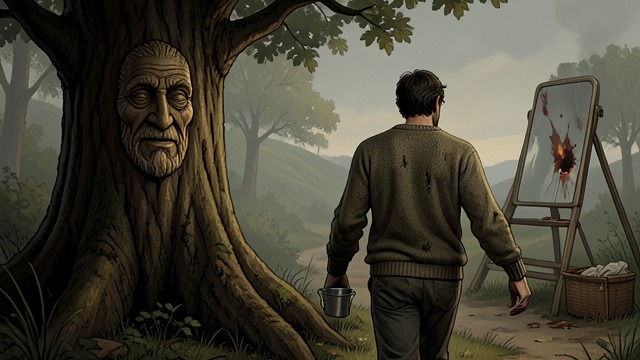
As the Irish Oak moves away, Frank hears familiar songs in his mind and feels the pull of home. The national past remains emotionally present even as he leaves it.
A new definition of duty
He chooses a future beyond Limerick rather than repeating his father's pattern of rhetoric without provision. Leaving is both an escape and a new answer to inherited expectations.
During the father's drinking nights in Brooklyn
During the family's first day in Dublin
After the deaths of Margaret and Oliver
During Frank's later years at Leamy’s
On the night Frank sails from Ireland
